
As the evening light fades, I find myself in a delightful mini crisis—what to whip up for dinner that’s both satisfying and quick? Enter my secret weapon: Pasta Napoletana. This vibrant Italian dish is not only ready in under 30 minutes but also brings together the rich, comforting flavors of a homemade tomato sauce, sautéed onions, and fresh basil. Whether it’s a family gathering or just a cozy night in, this easy weeknight meal is a true crowd-pleaser that won’t break the bank. Plus, it’s vegetarian-friendly, making it a perfect option for those looking to shake off the fast-food routine. Curious about how to make this scrumptious dish? Let’s dive in!
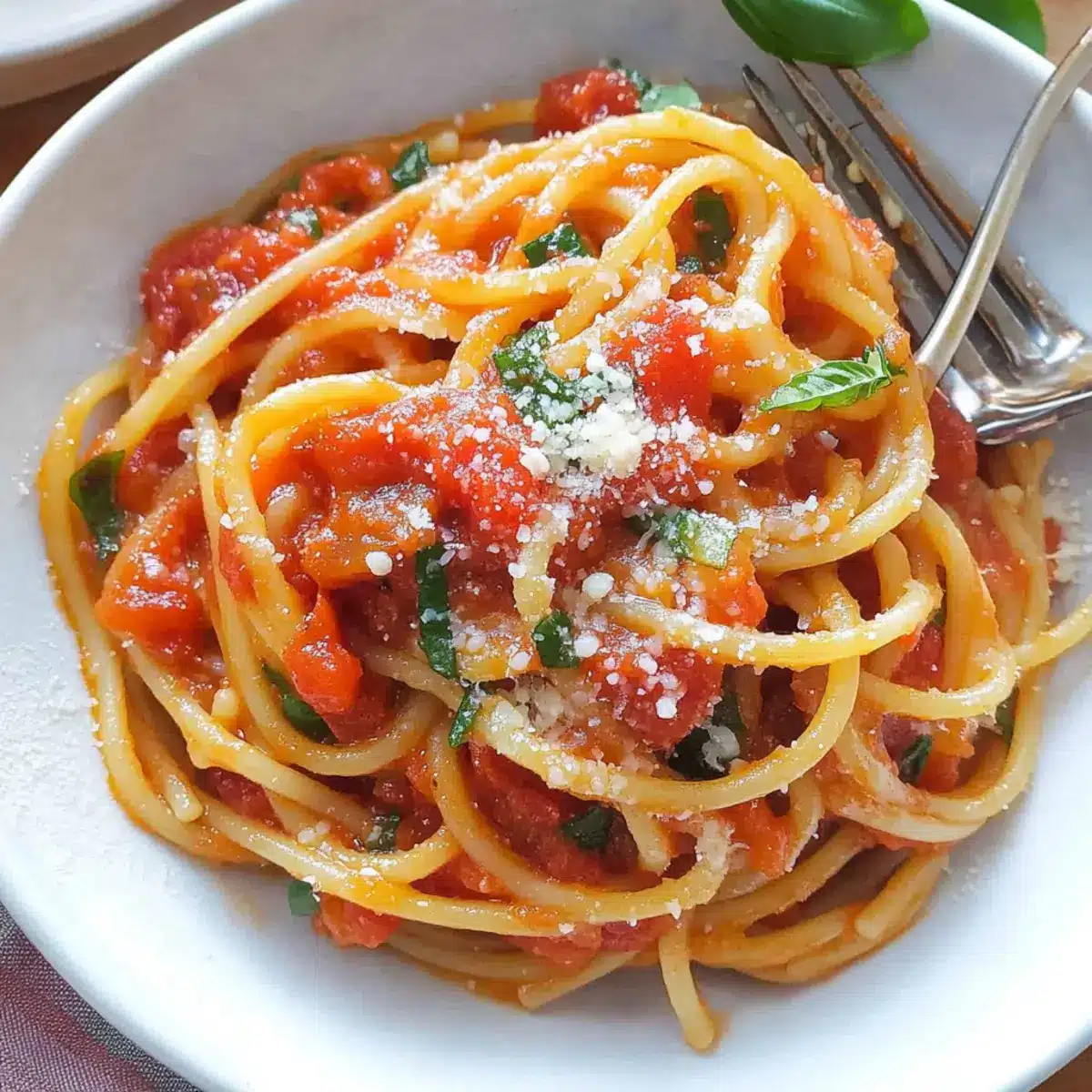
Why is Pasta Napoletana a must-try?
Simplicity at its finest: This recipe is quick, taking just 30 minutes, perfect for those busy weeknights.
Fresh, vibrant flavors: The combination of ripe tomatoes, sautéed onions, and fragrant basil brings Italian cuisine right to your table without any fuss.
Budget-friendly meal: With pantry staples and a few fresh ingredients, you can create a delicious dish that won’t stretch your wallet.
Versatile and adaptable: Feel free to add your favorite ingredients like olives or fresh greens, making this Pasta Napoletana a personalized favorite.
Crowd-pleaser: Perfect for family dinners or casual gatherings, this dish impresses without the stress. Pair it with a simple side salad or alongside Garlic Parmesan Pasta for a complete Italian feast!
Pasta Napoletana Ingredients
For the Pasta
• Pasta – 8oz (220 grams) spaghetti or bucatini can be replaced with any short pasta variety.
For the Sauce
• Olive Oil – 1 Tbsp extra virgin is preferred for richer flavor, but any good quality oil works!
• Onion – 1 medium-sized, finely chopped to create a solid flavor base during sautéing.
• Garlic – 2-3 cloves, minced add aromatic depth; try more for an intense flavor!
• Canned Tomatoes – 1 can (14oz/400 grams) ensures a juicy sauce; fresh, ripe tomatoes are a delightful substitute.
• Salt – ½ tsp plus more to taste helps enhance all the flavors beautifully.
• Black Pepper – ⅛ tsp adds just the right kick without overpowering the dish.
• Basil – 1 handful, chopped or torn brings fresh herbal notes; parsley can work too if basil isn’t on hand.
For Serving
• Parmesan Cheese – 3 Tbsp, grated adds a rich finish; leave out for a vegan twist!
Step‑by‑Step Instructions for Pasta Napoletana
Step 1: Boil the Pasta
Start by bringing a large pot of salted water to a rolling boil over high heat. Once boiling, add 8oz of spaghetti or bucatini. Cook according to package instructions for about 8-10 minutes until the pasta is al dente. Meanwhile, keep an eye on the pasta to ensure it doesn’t overcook and become mushy.
Step 2: Sauté the Onions
While the pasta cooks, heat 1 tablespoon of extra virgin olive oil in a large pan over medium heat. Add 1 medium-sized finely chopped onion and sauté for about 5-6 minutes until it turns soft and translucent. Stir occasionally to avoid burning, and enjoy the fragrance building in your kitchen as the onions caramelize gently.
Step 3: Add the Garlic
Once the onions are softened, stir in 2-3 minced garlic cloves into the pan. Sauté for an additional 2 minutes, allowing the garlic to become aromatic and lightly golden. This step is crucial for infusing your Pasta Napoletana with that delicious garlicky depth that complements the tomato sauce beautifully.
Step 4: Create the Tomato Sauce
Pour in a 14oz can of whole, diced, or cherry tomatoes into the pan, and sprinkle in ½ teaspoon of salt and ⅛ teaspoon of black pepper. Stir everything together and bring the mixture to a simmer. Let it cook for around 15 minutes, stirring occasionally until the sauce thickens and the flavors meld, creating a rich base for your Pasta Napoletana.
Step 5: Cook the Pasta and Combine
As the sauce simmers, check your pasta. Once it’s al dente, reserve ½ cup of the pasta cooking water, then drain the rest. Toss the drained pasta with the tomato sauce in the pan. Add the reserved pasta water gradually until you achieve your desired sauce consistency, ensuring that each strand of spaghetti or bucatini is beautifully coated.
Step 6: Add Fresh Basil
Incorporate a handful of chopped or torn fresh basil into the Pasta Napoletana. Mix well to allow the vibrant herbal notes to meld into the sauce. Taste and adjust the seasoning as needed. The fresh basil elevates the dish, bringing a burst of flavor that perfectly complements the warm, comforting sauce.
Step 7: Serve and Enjoy
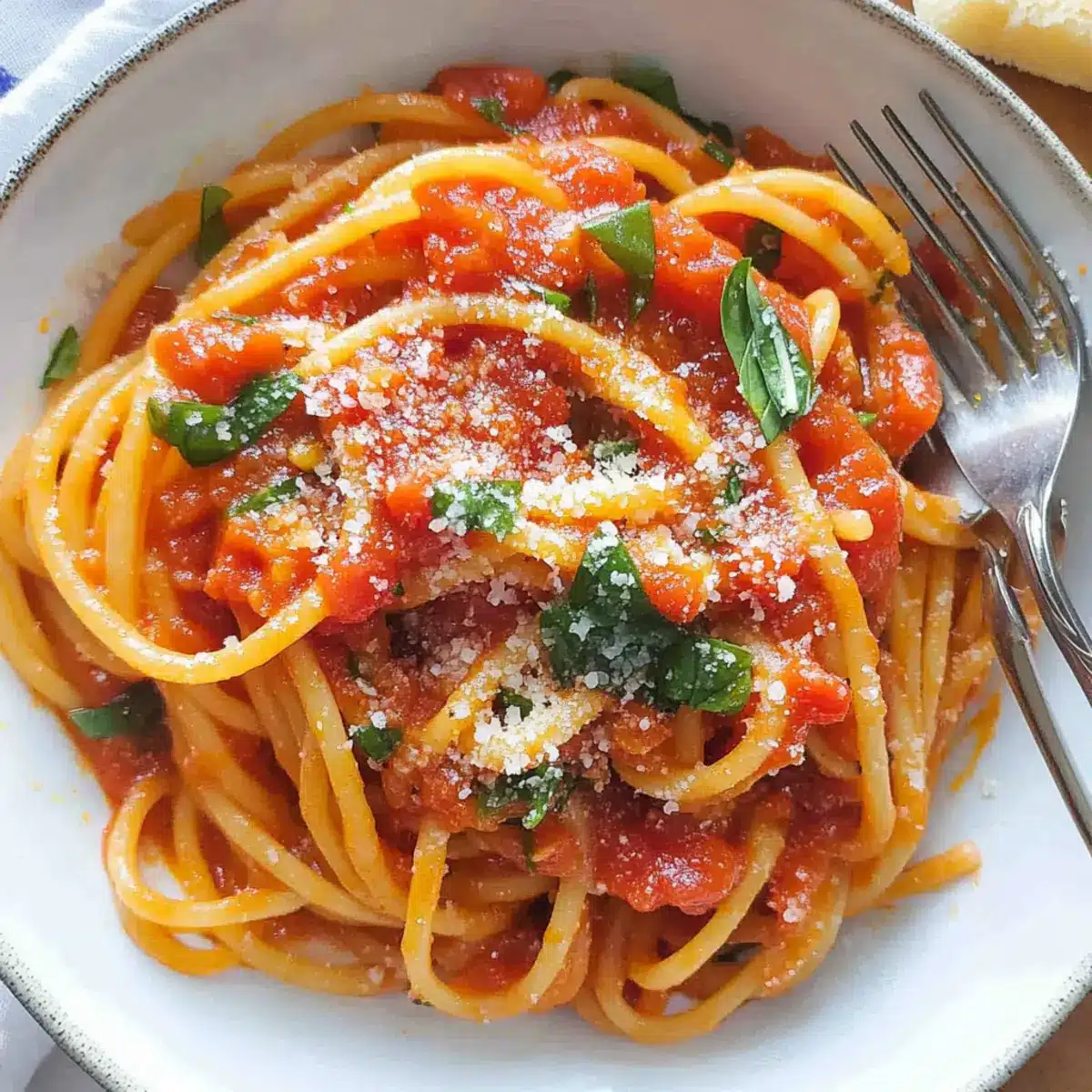
Plate the Pasta Napoletana onto warm dishes, and sprinkle with 3 tablespoons of freshly grated Parmesan cheese if desired. Add extra basil on top for a lovely presentation. This dish is ready to serve, perfect for sharing with family or enjoying a cozy evening meal at home.
Make Ahead Options
These Pasta Napoletana preparations are ideal for busy weeknights! You can chop the onions and garlic up to 24 hours in advance, storing them in an airtight container in the refrigerator to maintain their flavors. Additionally, you can prepare the tomato sauce, cooking it fully and refrigerating it for up to 3 days. When you’re ready to serve, simply reheat the sauce on the stovetop while cooking the pasta according to the package instructions. Toss the hot, drained pasta with the warmed sauce and fresh basil, and you’ll have a comforting Italian meal just as delicious as if made fresh!
Pasta Napoletana Variations & Substitutions
Feel free to make this delightful dish your own with exciting twists and substitutions!
-
Dairy-Free: Omit Parmesan cheese or replace it with nutritional yeast for a cheesy flavor without dairy. It’s deliciously satisfying and vegan-friendly!
-
Gluten-Free: Use gluten-free pasta alternatives like rice or chickpea pasta to keep the same comforting taste while accommodating dietary needs.
-
Add Protein: Toss in cooked chickpeas or lentils during the sauce phase for a hearty boost. They’ll add texture and nourishment, making the dish even more filling.
-
Add Veggies: Consider incorporating spinach, zucchini, or bell peppers with the onion. This adds color, flavor, and nutritional benefits to your plate.
-
Spicy Kick: For a little heat, sprinkle in red pepper flakes during the sautéing process. It warms things up beautifully and keeps your taste buds engaged.
-
Herbed Goodness: Swap fresh basil for fresh oregano or parsley to explore other flavor profiles. This is a lovely way to tailor the taste to your family’s preference.
-
Seafood Option: Add in some shrimp or mussels for a seafood variation. Just make sure to cook them properly; they’ll pair deliciously with the rich tomato sauce.
-
Flavorful Mix-ins: Enhance the dish by throwing in a handful of black olives or capers as the sauce simmers for an extra layer of flavor. These can elevate the Italian essence beautifully.
Experimenting with these variations can add fun and excitement to your cooking routine. Looking for ideas? Pair this Pasta Napoletana with a side of Broccoli Pasta Salad or try it alongside my Garlic Parmesan Pasta for a complete meal experience!
Storage Tips for Pasta Napoletana
Fridge: Store leftover Pasta Napoletana in an airtight container for up to 2 days. This will help retain its delicious flavors and prevent drying out.
Freezer: If you want to keep it for longer, freeze your Pasta Napoletana in a freezer-safe container for up to 3 months. Remember to let it cool completely first!
Reheating: To reheat, thaw overnight in the fridge, then warm it up in the microwave or on the stovetop. Add a splash of water or extra olive oil to restore moisture and creaminess to the sauce.
Serving Tip: For the best taste experience, enjoy your reheated Pasta Napoletana right after warming it up, ensuring it remains vibrant and flavorful!
What to Serve with Pasta Napoletana?
This delightful dish isn’t just a meal; it’s an invitation to create a heartwarming dining experience bursting with flavor.
-
Garlic Bread: The crispy, buttery goodness of garlic bread perfectly contrasts the rich, tangy sauce, making each bite feel indulgent.
-
Simple Arugula Salad: A fresh salad with peppery arugula, cherry tomatoes, and a light vinaigrette offers a refreshing balance to the hearty pasta.
-
Roasted Vegetables: Warm, caramelized veggies like zucchini and bell peppers add depth and a mixture of textures to your meal while enhancing nutrition.
-
Caprese Salad: Fresh mozzarella, basil, and ripe tomatoes harmonize beautifully with the flavors of Pasta Napoletana, creating an Italian classic triangle.
-
Bruschetta: Crunchy, toasted bread topped with diced tomatoes and basil acts as a perfect starter, teasing your taste buds before the main event.
-
Red Wine: A medium-bodied Chianti or Sangiovese can elevate your dining experience, complementing the dish’s tomato sauce while bringing a comforting warmth.
-
Tiramisu: End your meal on a sweet note with this classic Italian dessert. The rich coffee and cream flavors create a lovely contrast to the savory pasta.
-
Lemon Sorbet: For a light and refreshing finish, a scoop of lemon sorbet cleanses the palate while leaving you with a delightful citrus note.
Expert Tips for Pasta Napoletana
-
Onion Sweetness: Ensure the onions are cooked long enough to develop a rich sweetness, crucial for a flavorful base in your Pasta Napoletana.
-
Quality Tomatoes: Use high-quality canned tomatoes; they lead to a vibrant sauce that elevates your dish. Fresh, ripe tomatoes are also a fantastic alternative.
-
Pasta Cooking Time: Don’t forget to time your pasta! Start cooking it about 5 minutes after your sauce, ensuring everything is ready to combine seamlessly.
-
Seasoning Check: Always taste your sauce before serving! Add extra salt or spices as needed for a perfectly balanced flavor in your Pasta Napoletana.
-
Reserved Pasta Water: Keep that reserved pasta cooking water handy! It’s a secret weapon for adjusting sauce consistency, making it silky and clingy.
Pasta Napoletana Recipe FAQs
How do I choose ripe tomatoes for the sauce?
Absolutely! When selecting tomatoes, look for those that are deep red, firm, and free from blemishes or dark spots. If they have a sweet aroma, they’re likely ripe and perfect for your sauce. Ripe cherry tomatoes work wonderfully too, bursting with flavor, so don’t hesitate to throw some in!
What’s the best way to store leftovers?
Very! Store your leftover Pasta Napoletana in an airtight container in the fridge for up to 2 days. This helps maintain the dish’s flavors and texture, but for best results, consume it sooner rather than later. If you need to keep it longer, consider freezing it.
Can I freeze Pasta Napoletana?
Certainly! To freeze, let the Pasta Napoletana cool completely after cooking, then transfer it to a freezer-safe container or freezer bag. Remove as much air as possible, and label it with the date. It can be frozen for up to 3 months. When you’re ready to enjoy, thaw in the fridge overnight and reheat gently on the stove, adding a splash of water or oil to regain moisture.
What should I do if my sauce is too watery?
I recommend simmering the sauce for a little longer uncovered to help reduce excess liquid. You can also add a bit of tomato paste or a handful of grated Parmesan to thicken the sauce while enhancing its flavor—just stir it in and allow it to cook for a few more minutes while you adjust the seasoning.
Are there any dietary considerations for Pasta Napoletana?
Absolutely! This Pasta Napoletana recipe is vegetarian-friendly, making it a great option for those who don’t consume meat. If you’re catering to dietary restrictions, you can easily substitute Parmesan cheese with a vegan cheese alternative or leave it out entirely for a light, creamy sauce. Just be sure to check for allergens in other ingredients, like gluten in the pasta, or any allergies related to onion or garlic.
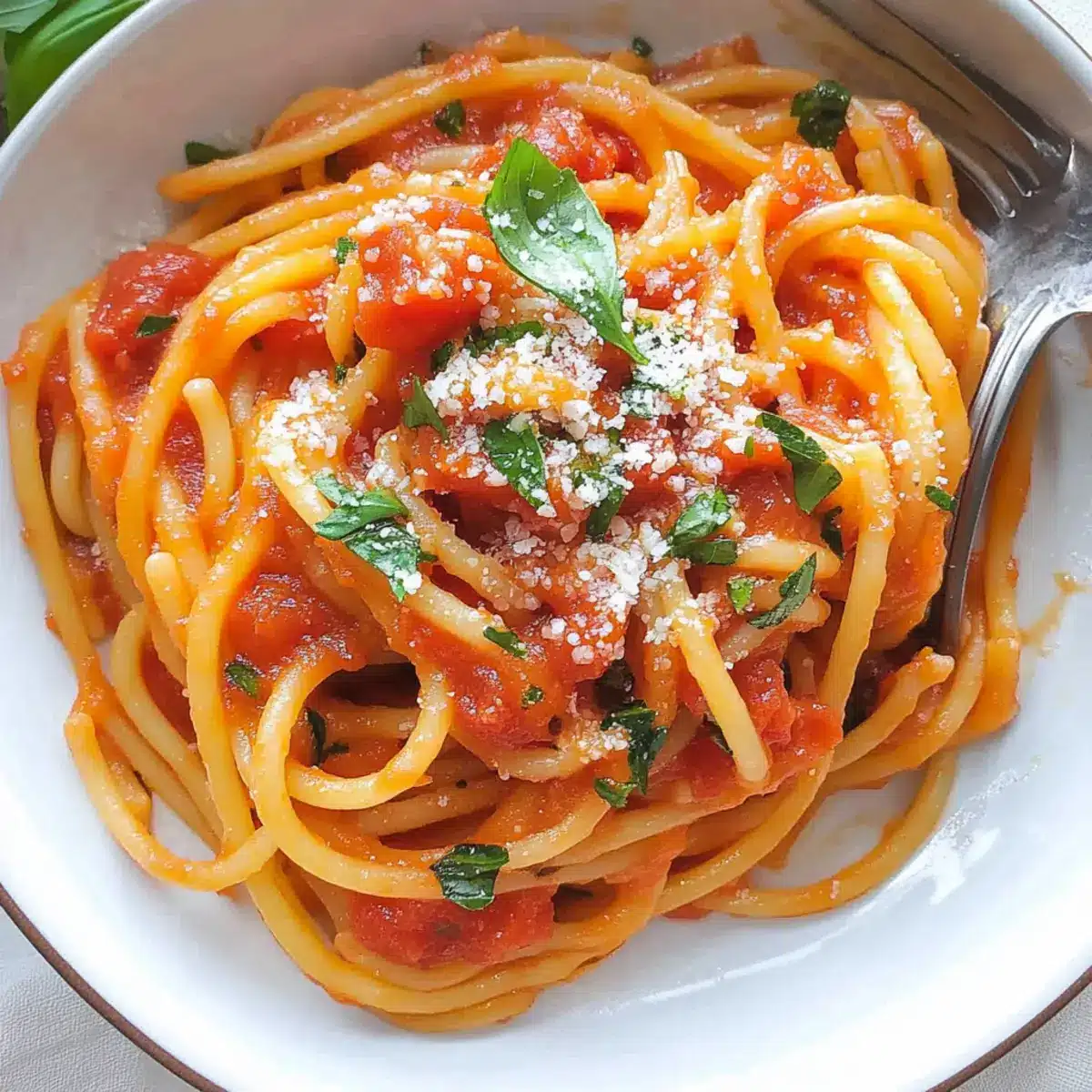
Easy Pasta Napoletana: A Quick Italian Family Favorite
Ingredients
Equipment
Method
- Bring a large pot of salted water to a rolling boil. Add the spaghetti or bucatini and cook according to package instructions for about 8-10 minutes until al dente.
- In a large pan, heat 1 tablespoon of olive oil over medium heat. Add the finely chopped onion and sauté for about 5-6 minutes until soft and translucent.
- Stir in the minced garlic and sauté for an additional 2 minutes until aromatic.
- Pour in the canned tomatoes and add ½ teaspoon of salt and ⅛ teaspoon of black pepper. Stir and bring to a simmer, cooking for about 15 minutes.
- Once the pasta is al dente, reserve ½ cup of the pasta cooking water, then drain the rest. Toss the drained pasta with the tomato sauce, adding reserved water as needed.
- Mix in the chopped or torn basil, taste and adjust the seasoning as needed.
- Serve on warm plates, sprinkled with grated Parmesan cheese if desired.
Leave a Reply